
Polymer Clay Baking Time by Thickness and Brand (2026)
Polymer Clay Baking Time by Thickness and Brand Polymer clay baking time is about 15 minutes per ¼ inch of thickness, scaled by brand at the temperature printed on the package: Original Sculpey bakes 15 minutes per ¼ inch at 275°F, Premo and Fimo bake 30 minutes per ¼ inch (Premo at 275°F, Fimo at 230°F), and Kato Polyclay bakes 10 minutes per ¼ inch at 300°F. A ½-inch piece is two quarter-inch units, so a ½-inch Premo pendant needs 60 minutes minimum. Run your exact brand and thickness through the Polymer Clay Calculator(/crafts/polymer-clay-calculator) to get the temperature and time in one step. Consider a common failure case: a batch of 12 earring blanks baked with the dial set to 275°F, pulled after 20 minutes, that snapped like crackers. A $5 oven thermometer later showed the oven actually held 245°F. A ½-inch Premo piece needs 60 minutes minimum at a...
How Many Stems in a Bridesmaid Bouquet? 2026 Flower Guide
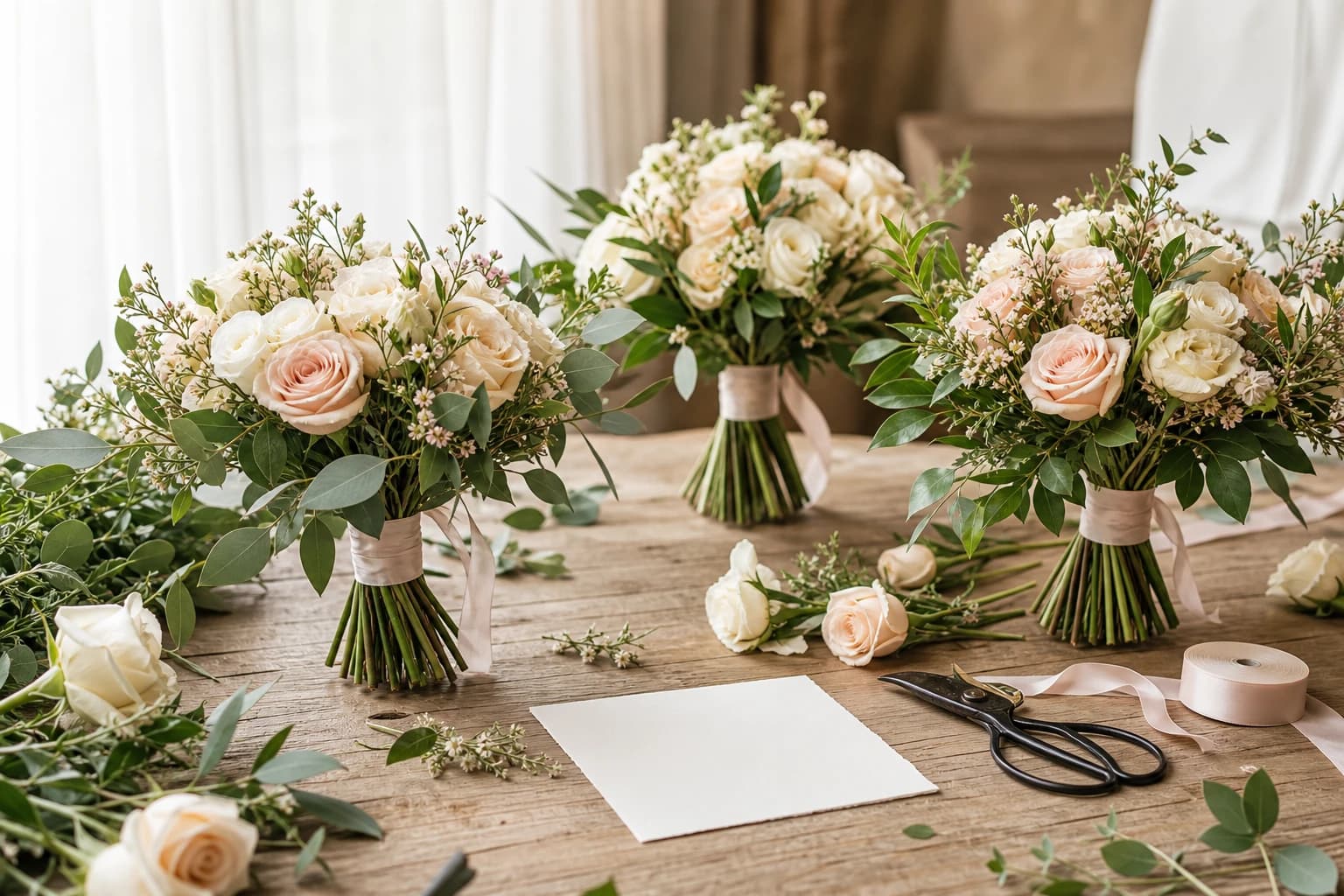
How Many Stems in a Bridesmaid Bouquet? A bridesmaid bouquet usually needs 12-18 stems for a small bouquet, 18-25 stems for a medium bouquet, and 25-35 stems for a lush bouquet in 2026. The exact count depends on flower head size, greenery, bouquet diameter, and whether you use focal flowers such as roses, peonies, dahlias, or hydrangeas. Use the Wedding Flower Calculator(/crafts/wedding-flower-calculator) to estimate stems for bridesmaids, bridal bouquet, boutonnieres, centerpieces, and ceremony flowers together. The easiest way to overbuy wedding flowers is to count every bouquet like a bridal bouquet. DIY planners often budget 30 roses for each bridesmaid, then discover the bouquets are too heavy, too wide, and hundreds of dollars over budget. A medium bridesmaid bouquet with 10 roses, 6 filler stems, and 6 greenery stems can look full at 22 stems. The visual size matters more than the raw count. This guide is for bridesmaid bouquets...
How to Calculate Dust Collection: 2026 CFM and Duct Guide
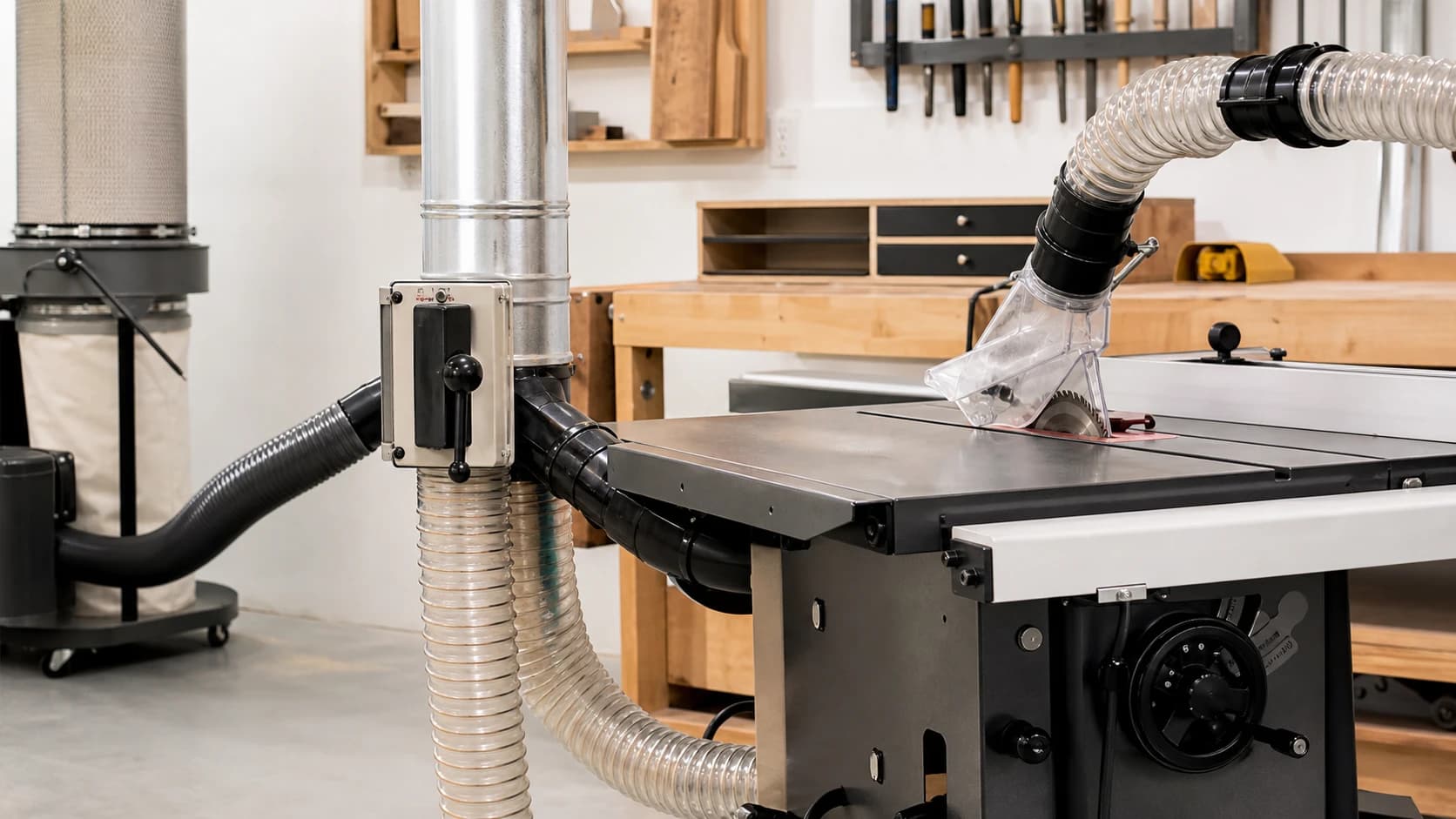
How to Calculate Dust Collection in 2026 To calculate dust collection, add the CFM required by the largest tool running at one time, choose duct diameter that keeps air velocity near 3,500-4,500 FPM, then subtract static-pressure losses from duct length, elbows, hose, fittings, filter, and separator. Most small woodworking shops need 400-800 CFM at the tool, while cabinet saws, planers, and jointers often need 600-1,200 CFM with 4- to 6-inch ducting. Use the Dust Collection Calculator(/crafts/dust-collection-calculator) to size your collector and duct path. The common small-shop mistake is buying by motor horsepower alone. A "2 HP" collector connected through 20 feet of flex hose, two tight elbows, a cyclone lid, and a clogged filter may deliver far less air than expected at the tool. The calculation has to happen at the machine port, not at the marketing label. If the planer needs 800 CFM and the duct path leaves only...